

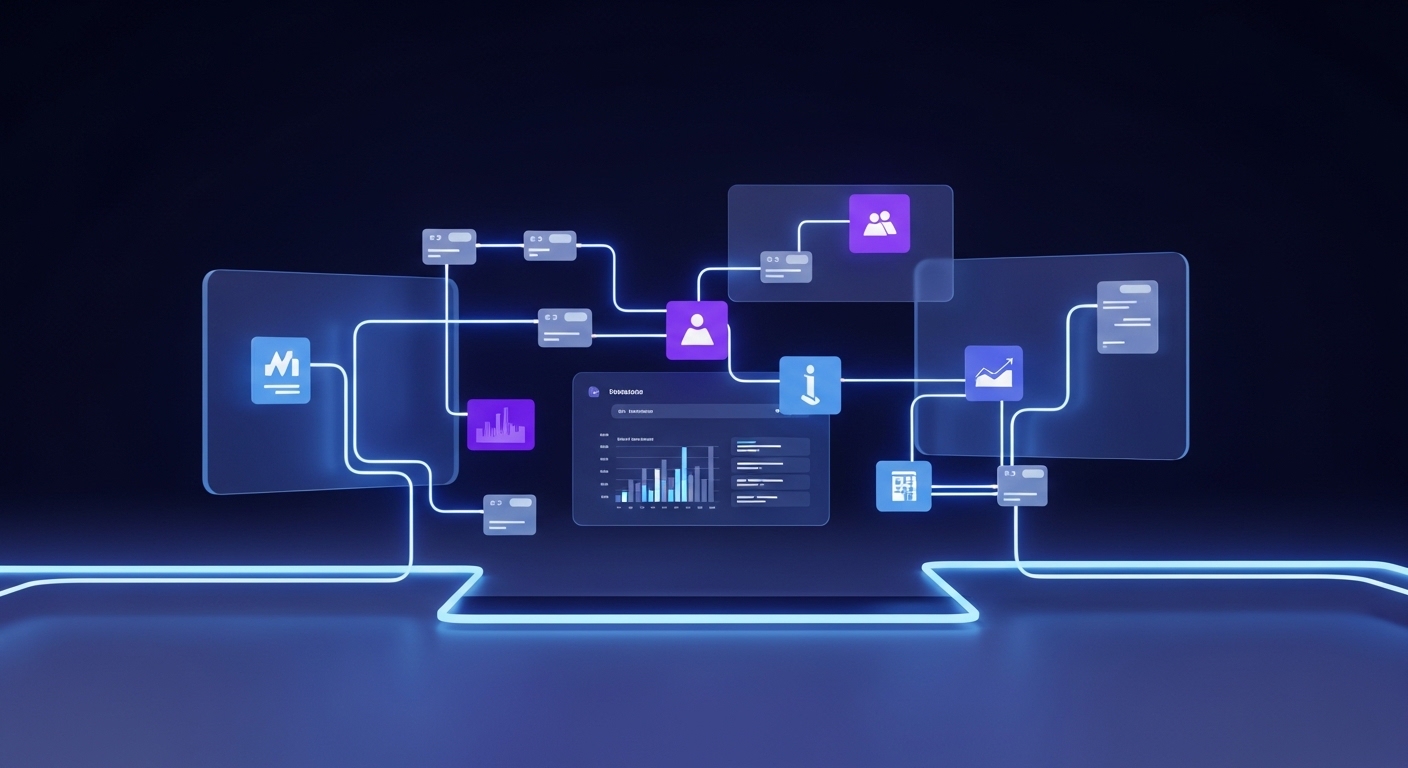
In today’s fast-moving digital world, teams are drowning in tools, notifications, and scattered data. This is where Adacanpm enters the picture. The concept of Adacanpm is gaining serious traction because it promises something most platforms fail to deliver — unified workflows, automation, and real clarity in how work gets done.
If you’ve ever felt your systems are messy or your processes take longer than they should, understanding Adacanpm can change how you organize tasks, collaborate, and scale operations. It’s not just another productivity tool — it kinda feels more like a framework that ties everything together.
What Is Adacanpm?
Adacanpm is a modern digital workflow management framework designed to connect tools, automate processes, and centralize operations into a single structured environment. Instead of juggling disconnected apps, users build customizable workflows that streamline execution and decision-making.
At its core, Adacanpm → enables → workflow automation. That means repetitive actions are reduced, manual tracking gets minimized, and teams spend more time doing meaningful work rather than managing tools.
You can think of Adacanpm as a bridge between task management software, data integration platforms, and collaboration tools. It brings them together so work flows naturally, which honestly is what most organizations been trying to achieve for years.
Why Adacanpm Matters in Digital Transformation
Adacanpm matters because digital transformation isn’t about tools — it’s about systems working together. Many companies adopt multiple apps, but without integration, complexity actually increases.
This is where Adacanpm → supports → digital transformation initiatives by creating a unified software ecosystem.
Key reasons organizations adopt Adacanpm:
- Reduces fragmented workflows
- Improves remote team collaboration
- Enables real-time updates across departments
- Provides centralized visibility via dashboards
- Supports scalable business solutions
When data, communication, and tasks live in one place, decision-making becomes faster. And yeah, speed often equals competitive advantage.
Core Principles Behind Adacanpm
Understanding the philosophy helps explain why Adacanpm feels different from traditional systems. It’s not just features — it’s design thinking.
Efficiency Through Automation
The framework prioritizes workflow automation so repetitive processes run automatically.
Automation within Adacanpm → reduces → operational costs & errors. That relationship is one of the biggest value drivers.
Flexibility and Customization
Unlike rigid enterprise systems, Adacanpm allows customizable workflows tailored to different teams. Businesses rarely operate the same way, so flexibility is kinda essential.
User-Centered Design
The interface focuses on clarity, not complexity. That sounds simple, but many platforms ignore it. A user-centered design reduces onboarding friction and improves adoption.
Collaboration by Default
Adacanpm embeds collaboration tools directly into workflows — not as an afterthought. Communication happens where work happens, which makes context easier to keep.
Scalability
Whether used by individuals or enterprises, the framework expands easily. Growth doesn’t require rebuilding processes from scratch, which is honestly a big deal.
Key Features of Adacanpm
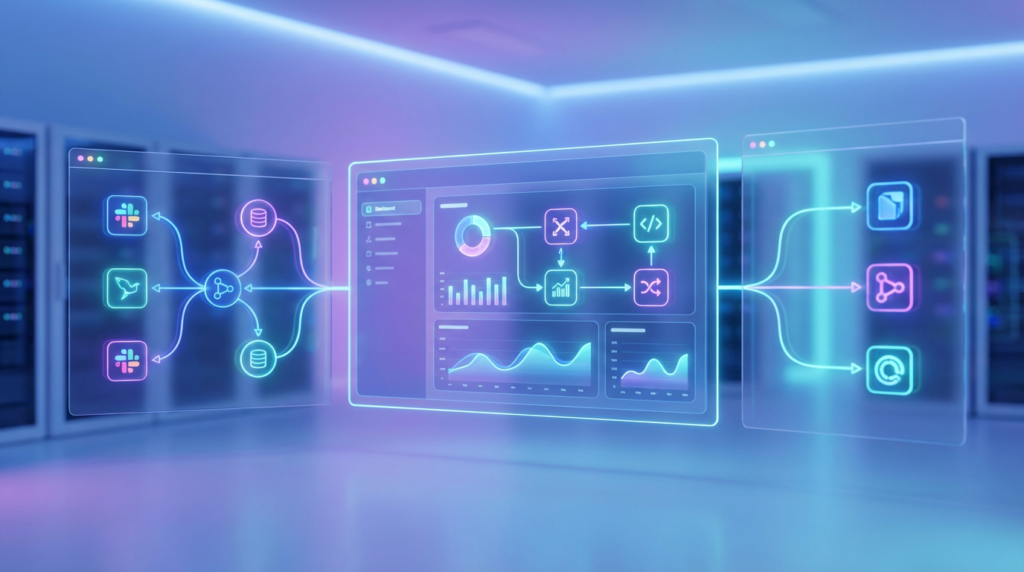
Adacanpm combines multiple capabilities into a centralized dashboard system. These features explain why it fits different industries and use cases.
Task Management Capabilities
The platform transforms complex projects into structured milestones using project tracking and dependency mapping. Teams can clearly see what needs to be done next — sounds basic, but clarity solves many delays.
Data Integration and Centralization
Adacanpm → integrates → multiple software tools. Instead of switching apps, information flows into one data management system.
Examples include:
- CRM integration
- Email synchronization
- Analytics connections
- Inventory tools
- Documentation platforms
This integration creates a unified software ecosystem, reducing tool fatigue.
Real-Time Updates
Changes reflect instantly across teams. That eliminates version confusion and improves coordination, especially in remote environments where async work is common.
Customizable Interface
Users can design dashboards, workflows, and automation rules. This personalization is why Adacanpm works across industries instead of being limited to one niche.
Security and Data Protection
Strong security & data protection infrastructure ensures sensitive information remains safe. Encryption, permissions, and audit logs help maintain compliance — something organizations worry about more every year.
Applications of Adacanpm Across Industries
One of the strongest aspects of Adacanpm is versatility. It adapts to different operational models without forcing teams into rigid templates.
Business and Corporate Operations
Companies use Adacanpm to manage projects, monitor performance analytics, and coordinate teams. This improves operational efficiency while reducing communication gaps.
Healthcare Systems
Healthcare organizations leverage centralized dashboard systems to manage patient workflows, scheduling, and documentation. Coordination between departments improves, which directly impacts service quality.
Education and Learning Platforms
Educators apply Adacanpm for curriculum planning, progress tracking, and communication with students or parents. Structured workflows bring consistency that manual systems often lack.
E-Commerce and Retail
Online businesses use Adacanpm for inventory tracking, customer experience workflows, and order management. Integrating sales data with operations provides real visibility — not estimates.
Personal Productivity
Individuals adopt Adacanpm as smart productivity tools to track goals, plan schedules, and automate routine tasks. Personal systems benefit from structure just like businesses do.
Advantages of Using Adacanpm
Adacanpm → improves → team collaboration & communication. This is one of its most measurable outcomes.
Major advantages include:
- Time savings through automation
- Reduced operational complexity
- Improved accuracy and fewer errors
- Better performance analytics visibility
- Stronger cross-team coordination
- Long-term scalability
Another underrated benefit is cognitive clarity. When workflows are structured, people feel less overwhelmed — not always discussed, but very real.
Limitations and Challenges of Adacanpm
Even strong frameworks have trade-offs. Recognizing them helps organizations plan adoption realistically.
Common challenges:
- Learning curve for beginners
- Change resistance from teams
- Advanced customization may require technical expertise
- Dependence on stable internet for cloud-based platforms
These limitations are typical for most enterprise workflow solutions, but proper onboarding reduces friction significantly.
How to Get Started With Adacanpm
Getting started with Adacanpm involves defining workflows before choosing tools. Technology should follow process, not the other way around — many teams get this backwards.
A simple starting approach:
- Define goals and operational pain points
- Map existing workflows and identify inefficiencies
- Select integrations needed (CRM, email, analytics)
- Build initial customizable workflows
- Monitor performance analytics and refine
Early iterations don’t need to be perfect. Systems evolve over time, and that’s kinda the point of flexible frameworks.
Best Practices for Using Adacanpm Effectively
To maximize value, organizations should treat Adacanpm as a continuous system rather than a one-time setup.
Effective practices include:
- Setting clear workflow ownership
- Automating repetitive tasks first
- Encouraging full team adoption
- Reviewing dashboards regularly
- Iterating based on analytics insights
Consistency matters more than complexity. Many teams overbuild workflows at the start, which ironically creates new friction.
Adacanpm vs Traditional Systems
Traditional systems rely on manual tracking and fragmented tools, while Adacanpm centralizes automation and integration.
Here’s a direct comparison:
| Aspect | Traditional Systems | Adacanpm |
|---|---|---|
| Workflow structure | Manual and scattered | Centralized and automated |
| Collaboration | Tool switching required | Built into workflows |
| Data visibility | Fragmented | Unified dashboards |
| Scalability | Limited | Highly scalable |
| Integration | Minimal | Native integrations |
This shift explains why more organizations move toward process optimization frameworks instead of standalone tools.
Technical Architecture of Adacanpm (Gap Filled)
Adacanpm works through layered architecture combining automation engines, integration APIs, and cloud infrastructure.
Typical architecture components:
- Workflow automation engine
- Integration layer using APIs
- Cloud-based data storage
- Analytics and reporting modules
- Permission and security layers
AI and machine learning enhance predictive automation by identifying workflow patterns and suggesting optimizations.
In practical terms, this means predictive automation → improves → process optimization. Systems learn from usage instead of remaining static.
This technical foundation is what allows Adacanpm to act more like an operational OS rather than a simple productivity tool.
Market Positioning and Tool Comparison (Gap Filled)
Adacanpm sits between multiple categories:
- Project management platforms
- Workflow automation tools
- Digital operations systems
- Productivity optimization frameworks
Unlike single-purpose tools, Adacanpm focuses on orchestration. It connects systems rather than replacing every tool outright, which makes adoption easier.
Positioning advantages:
- Reduces tool sprawl
- Supports enterprise workflow solutions
- Enables system integration instead of forcing migration
- Aligns with digital transformation strategies
That hybrid positioning is why analysts increasingly describe Adacanpm as an operational framework instead of software.
The Future of Adacanpm
The future of Adacanpm is closely tied to advancements in AI, cloud computing, and intelligent automation. As technology evolves, workflows will become more predictive and less manual.
Expected developments:
- Predictive automation recommendations
- Deeper third-party integrations
- Stronger security frameworks
- Context-aware collaboration features
- Increased adoption across industries
Eventually, operational frameworks like Adacanpm may become the default infrastructure for knowledge work. It’s not fully there yet, but the trajectory is obvious.
Key Takeaways
Adacanpm represents a shift from tool-based productivity to system-based productivity. Instead of adding more apps, organizations design connected workflows that scale.
Important insights:
- Adacanpm → enables → workflow automation
- Adacanpm → integrates → multiple software tools
- Adacanpm → supports → digital transformation initiatives
- Automation within Adacanpm → reduces → operational costs & errors
- Adacanpm → improves → team collaboration & communication
When workflows become structured, innovation becomes easier. And honestly, that’s the real value.
FAQs About Adacanpm
Is Adacanpm beginner friendly?
Yes, Adacanpm is designed with a user-centered approach, so beginners can start with basic workflows. However, advanced customization may require some learning. Most users become comfortable after initial onboarding and practical use.
Can small businesses benefit from Adacanpm?
Absolutely. Because Adacanpm supports scalable business solutions, small businesses can start simple and expand workflows over time. It helps reduce tool costs, improve organization, and create structured processes early, which is often critical for growth.
Does Adacanpm replace other tools?
Not necessarily. Adacanpm usually integrates existing tools rather than replacing them completely. Its main value is orchestration — connecting systems into a unified workflow environment so teams don’t rely on isolated applications.
Is Adacanpm secure for sensitive data?
Yes. Modern implementations include encryption, permission controls, audit logs, and strong security layers. These features ensure data protection infrastructure meets enterprise standards while maintaining usability for everyday workflow operations.
