


Modern organizations are getting more complex every year, and that’s exactly why Workplace Management Ewmagwork: A Complete Guide is becoming so important for leaders and teams. In today’s fast-moving digital environment, companies struggle with scattered workflows, unclear responsibilities, and overloaded communication channels.
This guide to workplace management Ewmagwork breaks down a structured system that connects people, processes, and tools into one unified framework, so work finally feels controlled but not chaotic.
Instead of relying on constant meetings or micromanagement, Ewmagwork introduces a system-based approach where clarity drives performance. And honestly, many teams don’t fail because of effort—they fail because their system is broken.
Understanding Workplace Management Ewmagwork
Workplace Management Ewmagwork is a structured productivity and coordination framework designed to improve how modern teams operate across remote work environments, hybrid work models, and distributed teams. It focuses on aligning workflow systems, task management tools, and performance tracking methods into one connected ecosystem.
At its core, Ewmagwork treats a workplace like a living system rather than a group of individuals working separately. So instead of asking “who is doing what?”, it asks “how does work flow from start to finish?”
This shift matters a lot.
A simple semantic relationship explains it clearly:
Workplace Management Ewmagwork → connects → people, processes, and tools into a unified system
That means performance isn’t dependent on individuals alone but on how well the system supports them.
Why Modern Workplace Management Needs a Reset
Today’s workplaces are not what they used to be. Teams are spread across cities, countries, and time zones. Communication happens on multiple platforms, and tasks are scattered across different tools.
Here’s the reality:
- Employees juggle multiple collaboration platforms
- Workflows are often fragmented and unclear
- Managers struggle with productivity management frameworks
- Teams operate in both remote and hybrid team productivity setups
And the result?
A growing issue known as productivity paranoia, where leaders feel uncertain about what teams are actually doing.
One key insight from Ewmagwork is simple:
Clear workflows and visibility → reduce → confusion and productivity paranoia
So instead of adding more tools, Ewmagwork focuses on fixing the system itself.
The Core Framework of Workplace Management Ewmagwork
The Ewmagwork system is built on three essential pillars: Direction, Delivery, and Development. These pillars work together like a continuous cycle of execution and improvement.
1. Direction: Setting Clear Priorities
Direction defines what success actually looks like. Without it, teams drift and waste energy on low-impact work.
Key elements include:
- Defined KPIs (Key Performance Indicators)
- Clear business goals
- Strong organizational structure design
- Transparent expectations
Direction ensures everyone knows what matters most and why it matters. It reduces confusion and improves alignment across departments.
2. Delivery: Turning Plans Into Execution
Delivery is where strategy becomes action. Many companies fail here because they don’t have a proper workflow optimization system.
Ewmagwork fixes this by introducing:
- Structured task management tools
- Visible workflows
- Accountability tracking
- Real-time progress updates
Instead of endless status meetings, teams rely on shared boards and dashboards.
This leads to a strong semantic relationship:
Direction → drives → Delivery execution clarity
3. Development: Continuous Improvement Loop
Development is the most overlooked pillar in traditional management systems. Ewmagwork makes it central.
It focuses on:
- Continuous feedback loops
- Performance analysis through dashboards & reporting tools
- Learning from workflow bottlenecks
- Improving systems over time
So instead of repeating the same mistakes, teams evolve.
Delivery → improves → Development through feedback and optimization
Core Principles Behind Ewmagwork
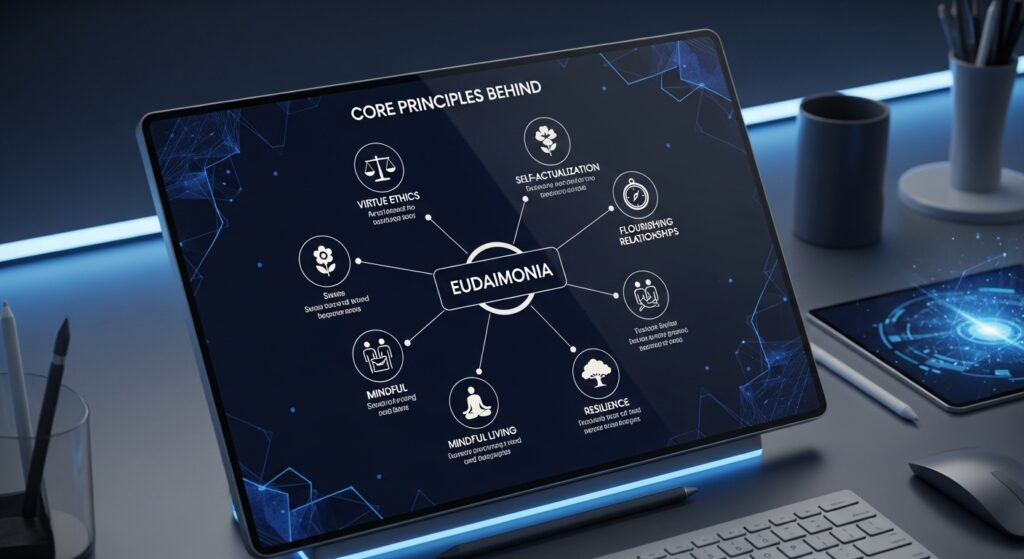
What makes workplace management Ewmagwork powerful is not complexity, but simplicity applied consistently.
1. System Thinking
Everything is connected—people, tools, and processes form a single ecosystem.
2. Visibility Over Control
Managers don’t need to micromanage when workflows are visible.
3. Ownership Culture
Each team member takes responsibility for their part of the workflow.
4. Balance Between Structure and Flexibility
Too much structure kills creativity. Too little creates chaos. Ewmagwork balances both.
5. Continuous Feedback
Feedback is not annual—it is ongoing and integrated into daily work.
Why Traditional Workplace Management Fails
Many organizations still rely on outdated management styles that don’t match modern work environments.
Common issues include:
- Excessive meetings replacing actual execution
- Lack of task visibility
- Siloed communication across departments
- Weak performance tracking systems
- Overdependence on manual supervision
A real-world observation often seen in discussions is:
Teams with clear ownership and goals consistently outperform those relying on constant supervision.
So the problem is not people—it’s structure.
Productivity problems → are actually → system design problems
Tools That Power Workplace Management Ewmagwork
Although Ewmagwork is not tool-dependent, tools help implement it effectively.
Essential Tool Categories
- Task & Project Management Tools
- Organize workflows
- Assign responsibilities
- Track progress
- Communication Platforms
- Support real-time and async collaboration
- Reduce unnecessary meetings
- Dashboards & Reporting Systems
- Track KPIs
- Identify bottlenecks
- Support decision-making
- Scheduling & Resource Tools
- Balance workloads
- Improve efficiency
However, there is a warning here:
Too many tools often create more confusion than clarity.
Tool overload → decreases → operational efficiency
So the goal is alignment, not accumulation.
Step-by-Step Implementation of Ewmagwork
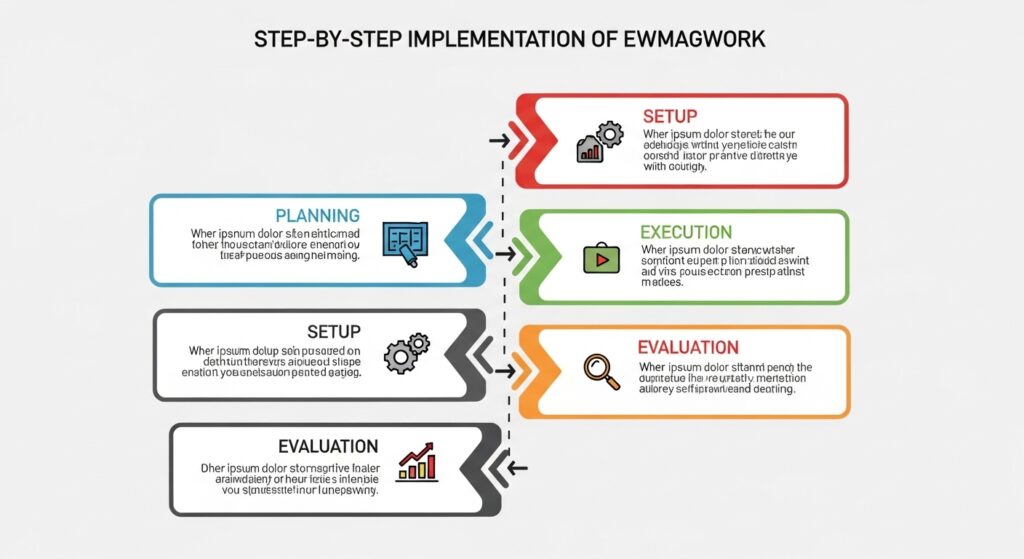
Implementing workplace management Ewmagwork doesn’t require a full system overhaul. You can start small.
Step 1: Define Outcomes Clearly
Ask:
- What does success look like?
- What should improve first?
Step 2: Map Existing Workflows
Break down:
- Task flow from start to finish
- Responsible teams
- Current bottlenecks
Step 3: Align Tools with Workflows
Only use tools that support actual processes.
Step 4: Build Simple Routines
- Daily check-ins
- Weekly reviews
- Progress updates
Step 5: Track and Improve
Combine:
- Data from KPIs
- Team feedback
This is where continuous improvement systems start working effectively.
Real-World Applications of Ewmagwork
Remote Teams
Remote teams benefit the most because clarity replaces constant communication.
Hybrid Workplaces
Supports smooth coordination between in-office and remote employees.
Startups
Helps scale operations without losing structure.
Creative Teams
Maintains flexibility while ensuring accountability.
A common trend today:
Hybrid work model → increases → productivity when systems are well-designed
Benefits of Workplace Management Ewmagwork
| Challenge | Ewmagwork Solution | Result |
|---|---|---|
| Unclear priorities | Defined direction | Better focus |
| Tool overload | System alignment | Less confusion |
| Burnout | Workload visibility | Balanced teams |
| Delays | Workflow tracking | Faster delivery |
Key benefits include:
- Strong team alignment
- Improved operational efficiency
- Better collaboration
- Reduced stress and burnout
- Faster decision-making
Measuring Success in Ewmagwork Systems
Not everything should be tracked—only meaningful metrics matter.
Key KPIs Include:
- Task completion rate
- Cycle time
- On-time delivery rate
- Customer satisfaction
- Workload balance
Table: Quantitative vs Qualitative Insights
| Type | Focus | Value |
|---|---|---|
| Quantitative | Metrics and KPIs | Performance tracking |
| Qualitative | Feedback | Understanding behavior |
Both are essential. Numbers show what is happening, but feedback explains why it’s happening.
Topical Gaps in Competitor Content (Deep Dive)
Competitors briefly mention implementation but miss deeper insights.
1. Real Case Studies Missing
There is limited explanation of how real companies implement workplace management Ewmagwork in daily operations. A strong case study section would improve credibility and practical value.
2. Change Management Challenges
Most articles ignore resistance from employees during system transition. In reality:
- Teams resist new workflows
- Managers struggle with adoption
- Training and onboarding are critical
Without addressing this, even the best system can fail.
Future Trends in Workplace Management Ewmagwork
The future of work is evolving quickly, and Ewmagwork aligns well with upcoming trends.
1. Automation
Reduces manual tasks and improves speed.
2. AI-Driven Insights
Helps predict bottlenecks and improve decision-making.
3. Flexible Work Models
Hybrid and remote setups are becoming standard globally.
4. Personalized Work Systems
Workflows will adapt to individual productivity patterns.
Common Mistakes to Avoid
Even strong systems fail when misused.
- Over-complicating workflows
- Tracking too many metrics
- Ignoring feedback
- Using too many tools
- Turning visibility into micromanagement
Remember:
Visibility → should improve → trust, not control
Building a Strong Workplace Culture with Ewmagwork
Workplace systems also shape culture.
A healthy culture includes:
- Transparency across teams
- Strong ownership mindset
- Continuous feedback environment
- Reduced stress levels
Studies show strong workplace culture can significantly improve performance outcomes, sometimes by over 30%.
So culture is not separate—it is part of the system.
FAQs
What is Workplace Management Ewmagwork?
It is a structured framework that aligns people, processes, and tools into one system to improve productivity, clarity, and workflow efficiency. It replaces micromanagement with visibility and continuous improvement systems for better organizational performance.
Is Ewmagwork suitable for small teams?
Yes, it works extremely well for small teams. In fact, smaller organizations can implement it faster because workflows are simpler. It scales easily as the team grows, making it ideal for startups and early-stage businesses.
What tools are needed for Ewmagwork?
You only need basic tools like task management software, communication platforms, and dashboards. The system is tool-agnostic, meaning it focuses more on alignment than on using complex or expensive software.
How long does it take to see results?
You can see clarity improvements within a few weeks. Full performance and productivity improvements usually appear within a few months, depending on how consistently the system is applied across teams.
