

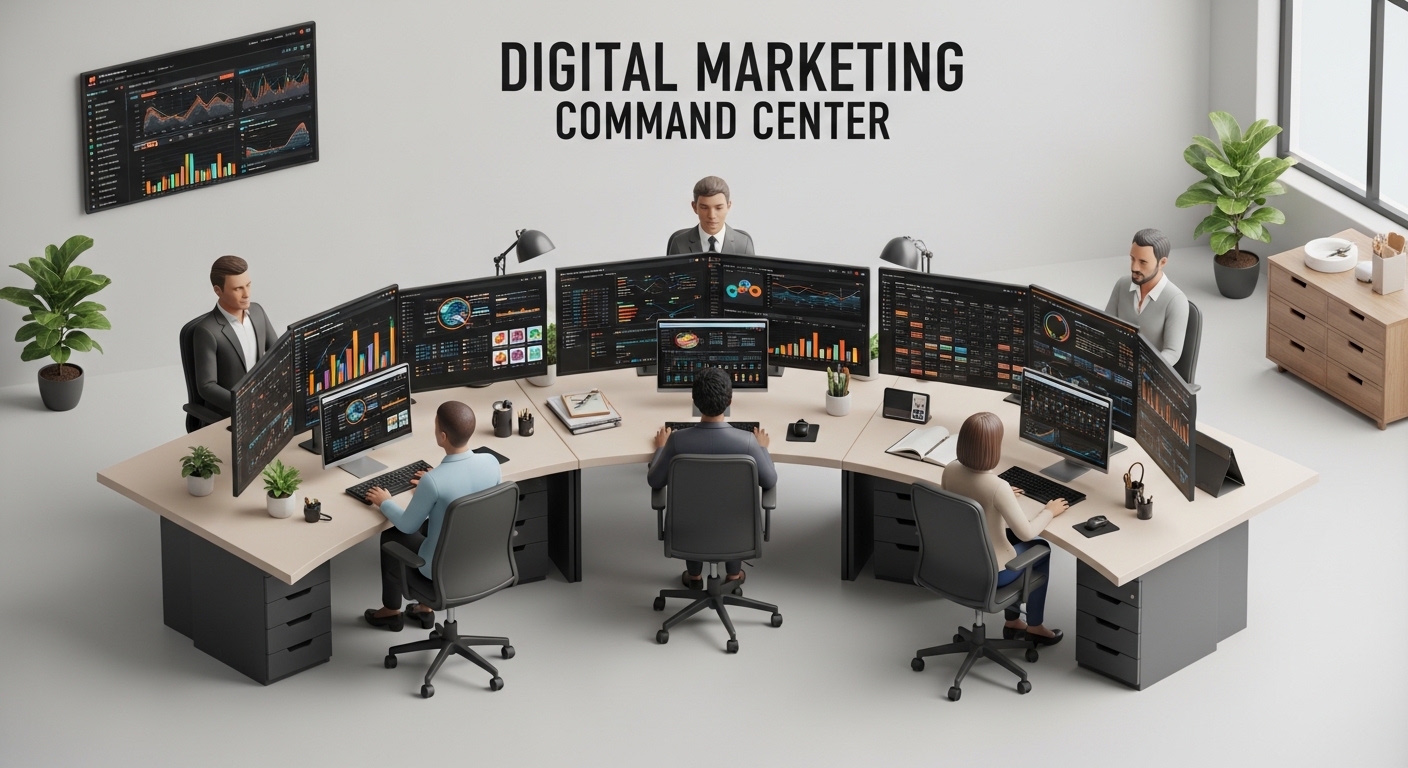
In today’s hyper-connected world, brands can’t just show up occasionally — they need to stay visible all the time. That’s where always businesses socialbizmagazine becomes a powerful concept. It reflects a mindset where your social media presence never sleeps, and honestly, businesses that ignore this reality usually fall behind pretty fast.
With billions of users scrolling daily, an always-active digital presence is no longer optional. It shapes brand visibility, builds customer relationships, and drives measurable growth — sometimes faster than expected, sometimes slower, but it works if done right.
This guide explains how to implement a true always-on social media strategy, how to design a content strategy framework, and how to turn engagement into real business outcomes.
Understanding the Always-On Social Media Strategy
An always-on social media strategy means maintaining consistent activity across key social media platforms so audiences can interact with your brand anytime. It’s less about posting constantly and more about staying relevant, responsive, and present.
Always-on social media strategy → improves → brand visibility and customer relationships.
That relationship is direct and well proven, even if some brands still underestimate it.
Core characteristics include:
- Consistent posting cadence
- Real-time engagement
- Continuous audience research
- Platform-specific content
- Long-term planning instead of campaign-only thinking
When businesses shift from campaign thinking to continuous engagement, results compound over time — it feels slow at first, but then growth accelerates.
Choosing the Right Social Media Platforms for Business Goals
The success of always businesses socialbizmagazine depends heavily on platform selection. Every platform serves a different user intent, and trying to be everywhere often leads to weak execution.
Platform Role Comparison
| Platform | Primary Role | Best For |
|---|---|---|
| Community building & targeted advertising | Local brands, events, support | |
| Visual storytelling & product discovery | Lifestyle, fashion, ecommerce | |
| Professional networking & thought leadership | B2B, recruiting, consulting | |
| X / Twitter | Real-time conversation | Media, announcements, support |
| TikTok | Viral short-form discovery | Gen Z brands, education, creators |
Platform-specific strategy → drives → business results (sales, leads, followers).
Brands that align content format with platform behavior usually outperform competitors, even with smaller budgets — kinda surprising but true.
Building a Results-Focused Content Strategy Framework

A strong content strategy framework is the backbone of an always-active presence. Without structure, consistency breaks quickly.
Start with brand identity:
- Core values and mission
- Tone of voice
- Visual elements
- Key messages
When identity is clear, content becomes easier to scale. Teams stop guessing, and output improves — not instantly, but noticeably.
Create a Balanced Content Mix
A sustainable strategy requires content variety so audiences don’t get bored (they will, trust me).
Focus on four core content categories:
- Educational content — guides, tutorials, insights that solve problems.
- Behind-the-scenes content — builds authenticity and trust.
- User-generated content (UGC) — social proof that influences conversions.
- Promotional campaigns — launches, offers, announcements.
Audience research → informs → content strategy decisions.
This is one of the most important semantic relationships in social media marketing.
Deep Audience Research & Customer Insights
You can’t run an always businesses socialbizmagazine approach without serious audience research & customer insights. Guessing content rarely works long term.
Key research areas:
- Demographics
- Interests and values
- Pain points
- Platform habits
- Preferred content formats
Understanding these elements helps brands deliver what audiences actually want, not what brands think they want — big difference.
Customer insight is also essential for conversion from social media, because relevance directly impacts performance.
Planning a Consistent Content Calendar
Consistency is what transforms strategy into results. A content calendar / scheduling workflow prevents gaps and last-minute posting chaos.
Include:
- Posting schedule
- Campaign timelines
- Seasonal campaigns
- Industry events
- Content creation deadlines
Consistent content calendar → supports → long-term social media growth.
Many brands fail here not because of bad ideas, but poor execution planning. Structure solves that.
Example Calendar Structure
| Content Type | Frequency | Goal |
|---|---|---|
| Educational posts | Weekly | Authority & SEO signals |
| Engagement posts | 2–3x weekly | Community building |
| Promotional posts | Weekly | Conversion |
| Short-form video | 2–4x weekly | Reach & discovery |
Over time, patterns emerge, and optimization becomes easier.
Mastering Engagement Strategy for Stronger Results

Engagement is the heartbeat of always businesses socialbizmagazine. Posting without engagement is basically broadcasting — not social media.
Key engagement principles:
- Respond quickly (ideally within hours)
- Maintain brand tone consistency
- Handle complaints professionally
- Encourage conversation
Interactive content formats → increase → engagement and participation.
Effective formats include:
- Polls and surveys
- Live sessions
- Q&A content
- Giveaways
- Story interaction stickers
Engagement also signals algorithms, which directly impacts organic reach — something many brands still misunderstand.
Influencer Partnerships and Community Building
Influencer partnerships / micro-influencers play a major role in modern always-on strategies. Smaller creators often generate higher trust and stronger conversion.
Benefits:
- Authentic reach
- Niche targeting
- User-generated content creation
- Social proof
Community building goes beyond influencers though. It includes comment culture, brand voice, and recurring interaction.
Brands that invest in community building often see customer loyalty grow naturally — not overnight, but steadily.
Real-World Strategy Examples (Condensed Insights)
Real examples show how always businesses socialbizmagazine translates into results.
Local Business Example
A restaurant leveraged:
- Visual Instagram content
- TikTok short cooking videos
- Location-based ads
- Influencer collaborations
Result: rapid follower growth and noticeable revenue lift.
B2B Brand Example
A software company used:
- Thought leadership content
- Case studies
- LinkedIn discussions
- Targeted advertising
Result: strong lead generation pipeline and multi-million revenue impact.
Ecommerce Brand Example
A fashion brand focused on:
- Instagram Shopping
- Micro-influencers
- Customer photos
- Paid retargeting
Result: significant percentage of sales driven directly from social channels.
Patterns repeat across industries — consistency beats sporadic campaigns.
Essential Tools for Always-On Social Media Workflows
Tools enable scalability. Without them, maintaining an always-active presence becomes exhausting.
Social Media Management Tools
- Scheduling platforms
- Collaboration dashboards
- Analytics reporting tools
Content Creation Tools
- Visual design platforms
- Stock image libraries
- Tutorial recording tools
These tools support social media management & content creation tools as a core entity in the strategy.
They also help maintain consistency — which is honestly one of the biggest competitive advantages.
Measuring Performance, ROI & Analytics (Topical Gap Expanded)
To outperform competitors, brands must move beyond posting metrics and focus on social media analytics & performance measurement.
Key KPIs:
- Engagement rate
- Reach and impressions
- Conversion rate
- Cost per lead
- Revenue attribution
Analytics → validate → strategy effectiveness.
Advanced measurement layers include:
- Attribution models (first click, multi-touch)
- Conversion funnel mapping
- Cohort analysis
- Content performance clustering
When measurement becomes systematic, decision-making improves — less guessing, more strategy.
ROI tracking is critical because leadership usually asks one question: “Is social media actually working?” Proper analytics answers that clearly.
Automation, AI & Multi-Channel Orchestration (Topical Gap Expanded)
Modern always businesses socialbizmagazine execution increasingly relies on automation and AI.
Automation helps with:
- Scheduling workflows
- Response templates
- Social listening
- Repurposing frameworks
AI supports:
- Caption generation
- Content ideation
- Performance prediction
- Audience segmentation
Another major concept is multi-channel orchestration — coordinating messaging across platforms, email, ads, and website content.
Automation → increases → consistency and scalability.
Brands using orchestration create stronger brand recall because messaging feels unified everywhere.
Organic vs paid integration is also crucial. Organic builds trust; paid accelerates reach. The best strategies combine both — not one or the other.
Advanced Always-On Content Optimization
After consistency is established, optimization becomes the focus.
Key optimization methods:
- Repurpose long content into short-form assets
- Identify high-performing topics and double down
- Improve hooks and storytelling structure
- Use data to refine posting times
- Test creative variations continuously
Optimization is iterative — small improvements compound over months.
That compounding effect is what makes always-on strategies powerful, even if early results seem modest.
Long-Term Social Media Success Principles
Sustainable success with always businesses socialbizmagazine comes from mindset more than tactics.
Core principles:
- Treat social media as a relationship channel
- Prioritize value over volume
- Build systems before scaling output
- Invest in community, not just reach
- Use analytics to guide decisions
Over time, brands that follow these principles transform social media into a reliable growth engine — not just a marketing activity.
Consistency, authenticity, and strategic iteration remain the real differentiators.
The Future of Always-On Social Media Strategy
Social platforms continue evolving toward discovery algorithms, short-form video dominance, and creator-led ecosystems.
Future trends include:
- AI-driven personalization
- Social search optimization
- Creator partnerships as media channels
- Commerce integrated directly into platforms
- Community-first brand strategies
Brands that adapt early usually capture disproportionate attention. Late adopters struggle to catch up — that pattern keeps repeating.
The always-on philosophy will likely become the default expectation, not a competitive advantage.
FAQs
What does always businesses socialbizmagazine mean?
It refers to maintaining a continuous, active social media presence where brands consistently publish content, engage audiences, and build relationships. The approach prioritizes long-term visibility, trust, and ongoing interaction rather than short campaign bursts.
How often should businesses post on social media?
Most brands perform well posting 3–5 times per week per platform, but consistency matters more than frequency. A predictable schedule helps audiences anticipate content and improves algorithm signals over time.
Why is engagement more important than posting frequency?
Engagement signals relevance to algorithms and builds trust with audiences. Responding to comments, messages, and interactive content strengthens relationships, which ultimately improves reach, loyalty, and conversions.
How long does an always-on social media strategy take to show results?
Early signals often appear within 30–60 days, while meaningful growth typically happens within 60–120 days. Results compound over time as consistency, data optimization, and audience familiarity increase.
