

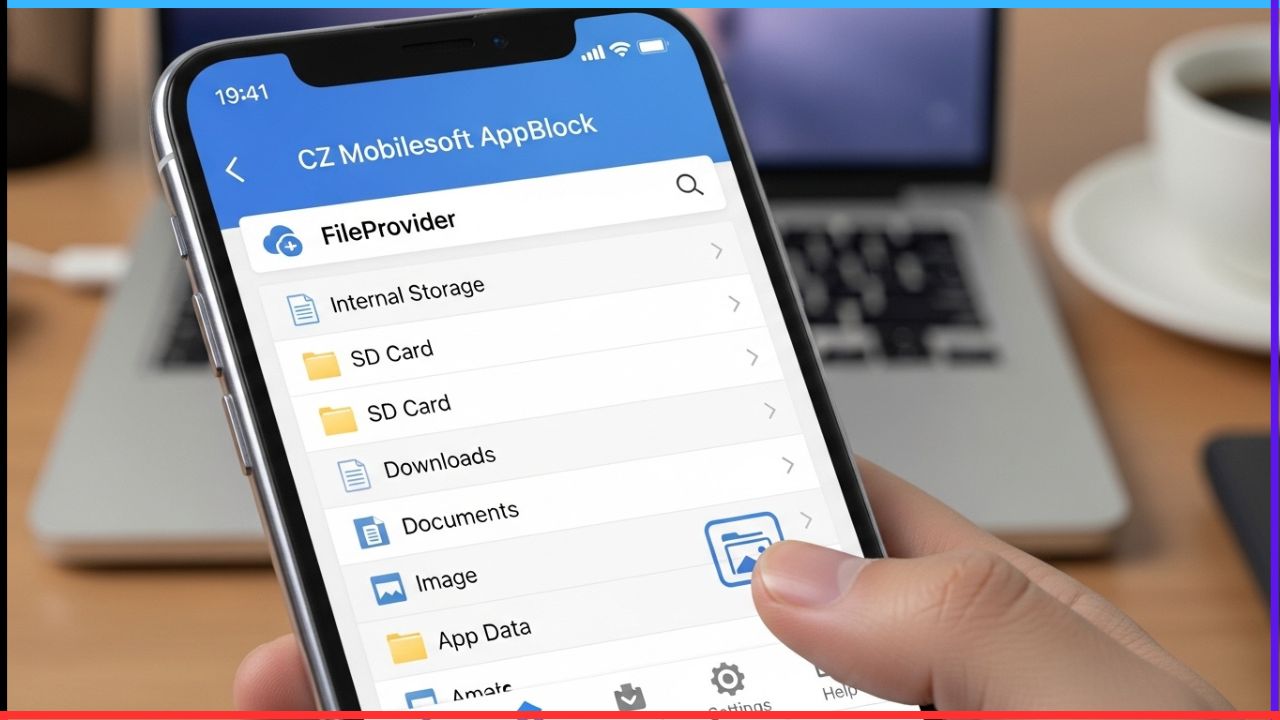
Ever stumbled across Content CZ Mobilesoft AppBlock FileProvider Cache Blank HTML while checking Android logs or fiddling with a WebView and wondered what on earth it meant? You’re not alone. It looks complicated, kinda technical, and maybe even suspicious.
But the truth is much simpler: this phrase points to a safe, local content address on Android that apps like AppBlock use to serve a tiny placeholder page like blank.html without exposing your private data.
In this guide, we’ll break it all down—step by step—so you can understand why it exists, how it works, and whether you should care.
Understanding Content CZ Mobilesoft AppBlock FileProvider Cache Blank HTML
Content CZ Mobilesoft AppBlock FileProvider Cache Blank HTML is essentially a human-readable representation of a content URI in Android. When written in standard form, it looks like:
content://cz.mobilesoft.appblock.fileprovider/cache/blank.html
Here’s what each piece means:
- content:// – signals Android to use the content system instead of direct storage paths.
- cz.mobilesoft.appblock.fileprovider – identifies the FileProvider responsible for controlling access to the file.
- /cache/blank.html – points to a temporary, minimal HTML placeholder page stored in the app cache.
In simple terms, it’s a controlled route for apps to show blank screens, block pages, or placeholders, all while keeping your private storage hidden.
Why AppBlock Uses a Blank HTML File
AppBlock is designed to help users stay focused by blocking apps or websites during scheduled times. When a blocked action occurs, it needs to show something instead of a broken or scary error page. That’s where blank.html comes in.
- Quick loading – the file is tiny and stored locally, so it appears instantly.
- Neutral placeholder – prevents users from seeing broken layouts or confusing errors.
- Privacy safe – served through a FileProvider, so internal storage paths remain hidden.
- Cache friendly – temporary storage that can be recreated if deleted.
Basically, it keeps your blocking experience smooth and your phone safe from weird error messages.
How Android Handles Content URIs Safely
Android apps live in isolated sandboxes, meaning one app cannot just peek into another app’s files. To share or serve local files safely, Android uses content URIs. Here’s the process in plain English:
- The app requests content through the Content Resolver.
- FileProvider checks permissions before sending data.
- Content is delivered as a stream, so no storage paths are exposed.
This system reduces accidental exposure, prevents unauthorized access, and ensures temporary resources like cached pages are handled safely.
Anatomy of a Content Address
Here’s a table breaking down the key components of Content CZ Mobilesoft AppBlock FileProvider Cache Blank HTML:
| Component | Meaning |
|---|---|
| content:// | Android content system route |
| cz.mobilesoft.appblock.fileprovider | FileProvider controlling access |
| /cache/blank.html | Cached placeholder HTML file |
| AppBlock | App using the content address |
| File Type | Small, lightweight HTML page |
Understanding this helps you see why it’s not a normal website or direct file path—it’s just a safe, local route for apps to manage content.
Where You Might See This on Your Device
This content URI can appear in several situations:
- During AppBlock blocking events in a WebView.
- In developer logs, crash reports, or performance monitoring.
- When device cleaner apps or system viewers scan app activity.
- Sometimes logs break the string into spaced or shortened versions, but it still points to the same harmless placeholder.
Unless you’re digging into logs, most users will never notice it—but now you know what it means when you do.
WebView Placeholders and Block Screens
A WebView is like a mini-browser embedded in an Android app. When an app wants to show a neutral page, it often uses blank.html. Here’s why:
- Loads instantly from cache, improving speed.
- Reduces distractions by showing a neutral placeholder instead of errors.
- Keeps the user experience smooth and predictable.
Pro tip: always keep placeholder HTML simple—minimal markup, no heavy scripts, no unnecessary network calls—to maintain performance on older or slower devices.
Common Problems and How to Fix Them
1. Permission Denied Errors
These happen when the FileProvider denies access because permission wasn’t granted. Developers should ensure the receiving app or component has temporary read access. Users usually don’t need to do anything unless the app is misbehaving.
2. File Not Found & Cache Purges
Since cache is temporary, blank.html may disappear if cleared. The solution: the app should recreate it or fall back to a safe inline HTML response. This ensures block screens or WebView placeholders continue working smoothly.
Advanced Developer Insights (Filling the Gap)
For developers, there’s more to consider:
- Implementing FileProvider – Add proper
<provider>entries in the AndroidManifest.xml and definepaths.xmlfor secure access. - Handling Permissions – Always use Intent flags and temporary grants for app-to-app sharing.
- Fallback Mechanisms – If the cache is cleared, dynamically serve minimal HTML to avoid crashes.
- Security Checks – Validate that only trusted apps can request your content URIs. Misuse could lead to unauthorized access if poorly implemented.
This section covers what the competitor article skimmed over, making your understanding more complete.
Security and Privacy Considerations
Seeing Content CZ Mobilesoft AppBlock FileProvider Cache Blank HTML doesn’t mean your phone is hacked. Key points:
- Content is served locally via FileProvider, not over the internet.
- Other apps can’t read it unless explicit permission is granted.
- It’s generally safe as long as AppBlock comes from a trusted source.
- If you see it and don’t use AppBlock, check installed apps, disabled apps, or other user profiles—it could indicate unusual behavior.
Always keep your Android device updated and monitor app permissions for extra peace of mind.
AppBlock Features in a Nutshell
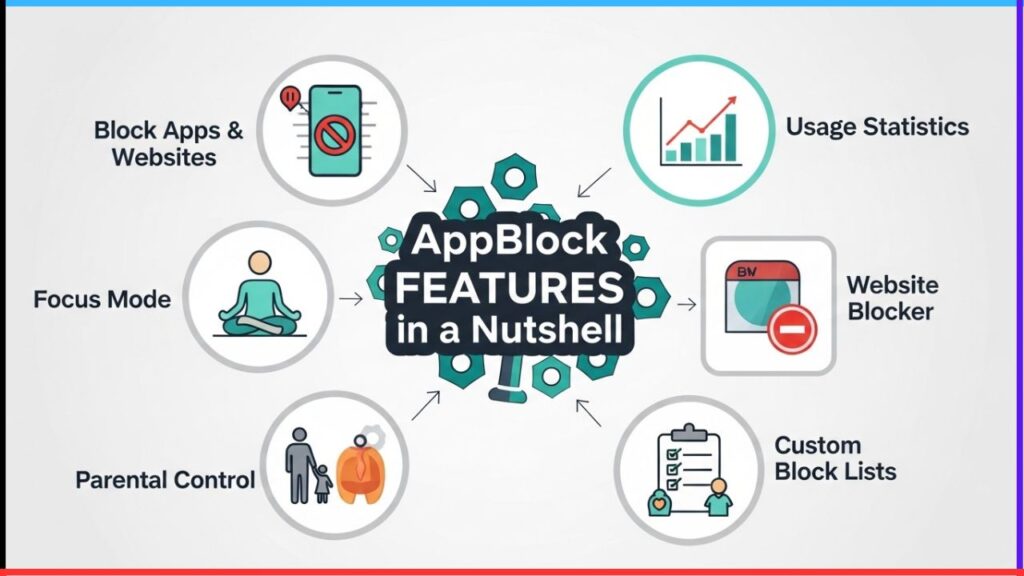
Here’s what AppBlock typically offers for focus and distraction management:
- Block specific apps during set hours
- Restrict certain websites during focus sessions
- Schedule daily or weekly blocking windows
- Track app usage patterns over time
- Enforce stricter rules to prevent bypassing
The app relies on content URIs and cached HTML placeholders to make these features smooth and user-friendly.
Frequently asked Questions
What is Content CZ Mobilesoft AppBlock FileProvider Cache Blank HTML?
It’s a local content URI on Android used by AppBlock to access a tiny cached HTML file like blank.html for block screens or placeholders.
Is it safe to see in my Android logs?
Yes. It’s normal behavior for trusted apps like AppBlock. It doesn’t expose private files and is served securely through a FileProvider.
What happens if blank.html is deleted from cache?
The app typically recreates it or falls back to inline HTML. Users don’t need to worry unless the app malfunctions.
Can other apps access this cached file?
No, only apps explicitly granted permission by the FileProvider can access it. Default access is denied.
