

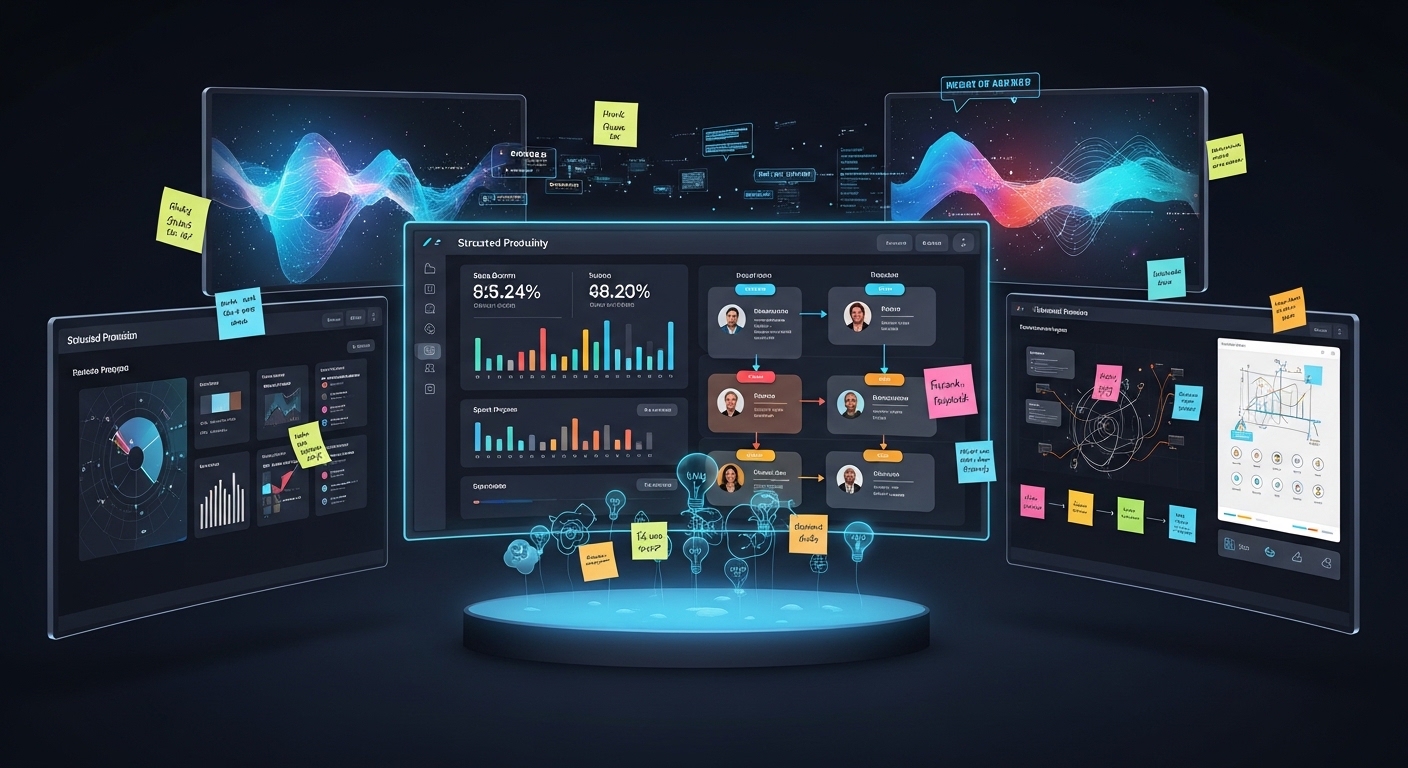
The way we work has fundamentally shifted, and frankly, the tools we’ve been using haven’t quite caught up. You’ll notice across industry blogs and innovation communities that a concept called zvodeps keeps appearing—and it’s not just another productivity buzzword. It’s a legitimate response to a real problem: how do we create systems that support creative thinking while maintaining structure and productivity? That’s exactly what zvodeps aims to solve, and understanding it could change how your team approaches work entirely.
What Exactly Is Zvodeps? A Clear Definition
Zvodeps is an emerging creativity framework that deliberately combines creative thinking with structured workflow management. Unlike traditional productivity tools that force rigid processes, zvodeps promotes a healthy balance between creative exploration and organized execution. Think of it as a philosophy first and potentially a tool later—though many believe it’ll eventually evolve into digital platforms.
At its core, zvodeps doesn’t have a strict dictionary definition yet. It exists mostly in discussions among innovators, entrepreneurs, and productivity enthusiasts. But here’s the essential breakdown:
Zvodeps = Creativity + Workflow Organization + Adaptability
The term itself has become popular because it perfectly describes something many modern professionals desperately need: a system that respects creative processes while keeping things organized. Rather than forcing individuals into predetermined templates, zvodeps acknowledges that people work differently and encourages teams to build workflows that actually fit how they operate.
One of the most interesting things about zvodeps is that it functions as both a productivity philosophy and a potential technological solution. Some professionals view it as a mindset shift, while others imagine it as future productivity software with real-time collaboration features. What matters is the underlying principle—flexibility without sacrificing structure.
Why Is Zvodeps Getting So Much Attention Right Now?
The rise of zvodeps isn’t random. It’s directly tied to the evolution of modern work culture and the real challenges professionals face daily. Let’s be honest—the workplace has transformed dramatically, and traditional systems are frankly struggling to keep up with reality.
The current innovation culture demands tools and frameworks that adapt to constant change. We’re living in an era where remote work has become normalized, technology evolves at lightning speed, and global collaboration is the default. Teams need systems that are flexible, creative, collaborative, and easy to adapt on the fly. That’s where zvodeps fits perfectly.
Consider what modern professionals actually want from their work systems:
- Systems that feel flexible rather than rigid
- Tools that encourage experimentation and creative thinking
- Platforms supporting real-time collaboration across distances
- Solutions that evolve with organizational needs
- Frameworks respecting individual working styles
Traditional workflow management systems fail on most of these points. They impose structure but squash creativity. They create bottlenecks rather than enabling smooth idea generation. This mismatch between what teams need and what existing tools provide has created a vacuum, and zvodeps is filling that space.
The concept also resonates because it reflects how modern work actually happens—messy, collaborative, constantly evolving, and rarely fitting into predefined boxes. Organizations searching for better ways to simultaneously balance creativity and efficiency are increasingly drawn to frameworks emphasizing adaptability and flexibility.
The Core Interpretations: How Different Industries View Zvodeps
Since zvodeps is still evolving as a concept, people interpret it through different lenses. Interestingly, these interpretations often complement each other rather than conflict. Understanding these different perspectives helps clarify why the framework appeals to such diverse audiences.
Zvodeps as a Structured Creativity Framework
Many professionals treat zvodeps as a systematic method for channeling creative ideas into tangible outcomes. Rather than relying on random brainstorming or hoping inspiration strikes at convenient moments, this interpretation introduces structured idea generation phases combined with workflow optimization.
The framework typically moves ideas through distinct stages:
- Idea Generation – Brainstorming and creative exploration without judgment
- Concept Refinement – Developing rough ideas into more defined approaches
- Collaboration – Gathering team feedback and building on individual contributions
- Execution – Turning refined concepts into actual deliverables
This creates what enthusiasts call “creativity in motion”—a sustainable system where creative thinking feeds directly into productive work. The structure provides guardrails without stifling imagination, and the emphasis on collaboration ensures diverse perspectives improve ideas throughout the process.
Zvodeps as a Productivity Philosophy
Another equally valid interpretation views zvodeps as fundamentally a mindset rather than a tool or system. In this version, the focus shifts from specific procedures to embracing flexibility as a core operating principle.
This productivity philosophy emphasizes:
- Experimentation over perfection
- Continuous improvement loops
- Collaborative learning environments
- Adaptation as a constant practice
- Individual agency in how work gets organized
People adopting this mindset move away from rigid productivity rules and embrace systems that evolve based on their actual needs. It’s less about implementing specific steps and more about cultivating an organizational culture that values both structure and creativity equally.
Zvodeps as Emerging Productivity Software
Some analysts believe zvodeps will eventually materialize as actual productivity software or digital collaboration platforms. If that happens, imagine a system combining the best features of existing tools but with built-in flexibility and creativity support.
Such platforms might include:
- Real-time collaboration features for distributed teams
- Integrated idea management systems keeping creative concepts organized
- Customizable workflows matching different team styles
- Smart dashboards tracking both productivity metrics and creative output
- App integrations connecting your existing tools seamlessly
These three interpretations aren’t mutually exclusive. In fact, most teams probably need all three: the structured framework, the flexible mindset, and eventually the digital tools supporting both.
Key Features That Define Zvodeps-Aligned Systems

Even though zvodeps isn’t fully standardized, discussions consistently highlight certain core characteristics. These features reflect what contemporary workers actually expect from a digital collaboration ecosystem. Let’s break down the essential ones:
User-Friendly Interface Design
Modern workers won’t adopt complex systems, no matter how powerful they are. Zvodeps emphasizes intuitive design where people can get productive without extensive training. This means:
- Clear navigation that feels natural
- Minimal learning curve for new users
- Visual clarity in displaying workflows and progress
- Accessibility across different devices and skill levels
Customization and Flexibility Options
Different people work differently, and that’s actually a strength when your system supports it. Custom workflows allow teams and individuals to build processes matching their actual work patterns rather than forcing people into predetermined molds.
This includes:
- Adaptable task structures
- Personalized dashboard configurations
- Flexible communication protocols
- Adjustable timeline and milestone structures
Real-Time Collaboration Features
Modern teams don’t work sequentially anymore—they work in parallel across different locations and time zones. Real-time collaboration capabilities mean teams can:
- Share ideas instantly without waiting
- See updates as they happen
- Provide immediate feedback on work in progress
- Reduce miscommunication through simultaneous access
Integration With Existing Tools
Most organizations already use multiple platforms—communication tools, storage systems, project management software, and more. App integrations make zvodeps-aligned systems work alongside existing infrastructure rather than replacing everything at once.
Data-Driven Dashboards and Analytics
You can’t improve what you don’t measure. Dashboards and analytics help teams track both productivity metrics and creative output, making abstract concepts like “team productivity” actually measurable and visible.
How Zvodeps Fills Critical Topical Gaps: Implementation Methodology
Here’s where most existing discussions about zvodeps fall short—they talk about principles but don’t explain how to actually implement the framework. Let’s fill that gap properly because implementation is where the rubber meets the road.
Step-by-Step Implementation Framework for Organizations
Rolling out a zvodeps-inspired system requires a structured approach. Here’s a practical implementation methodology that actually works:
Phase 1: Assessment and Planning (Weeks 1-2)
Before changing anything, evaluate your current state. What’s working? What creates friction? Where do rigid systems suppress creativity? Where does too much freedom cause chaos? This honest assessment drives your implementation approach.
Phase 2: Team Education (Weeks 3-4)
Your team needs to understand the philosophy before you implement tools or processes. Conduct workshops explaining the principles behind zvodeps—why creativity framework thinking matters, how structure and flexibility complement each other, and what changes to expect.
Phase 3: Pilot Program Launch (Weeks 5-8)
Don’t implement across the entire organization immediately. Start with one small team on a defined project. This allows you to identify real challenges and refine your approach before scaling.
Phase 4: Tool Selection and Integration (Weeks 4-12, parallel with phase 3)
Choose tools supporting your custom workflows. This might include project management software, communication platforms, and idea management systems. Critically, they should integrate with each other to create a cohesive digital collaboration ecosystem.
Phase 5: Process Refinement (Weeks 8-16)
Based on pilot results, refine your processes. What worked? What didn’t? Where did people struggle? Use this feedback to adjust before broader rollout.
Phase 6: Organization-Wide Implementation (Weeks 16+)
Roll out refined approaches across departments. Maintain flexibility—different teams might adapt the framework differently, and that’s fine.
Role-Specific Implementation Playbooks
Implementation looks different depending on your industry and role. Here’s how zvodeps adapts across sectors:
For Creative Industries (Designers, Writers, Filmmakers)
Creative professionals have always resisted rigid systems because they suppress the very thing they’re hired to produce—creativity. A zvodeps approach here emphasizes:
- Dedicated time for idea generation without productivity pressure
- Structured concept refinement sessions with clear feedback loops
- Tools supporting collaborative feedback without creating design-by-committee
- Metrics measuring both creative quality and delivery timeliness
For Startups and Product Teams
Fast-moving startups thrive on speed and innovation. Zvodeps implementation here focuses on:
- Rapid brainstorming and iteration cycles
- Lightweight documentation avoiding bureaucratic overhead
- Clear decision-making processes within flexible structures
- Integration across marketing, product, and development teams
For Remote and Distributed Teams
Distance creates communication challenges that rigid systems actually make worse. Zvodeps in remote environments prioritizes:
- Real-time collaboration tools minimizing miscommunication
- Asynchronous workflows for teams across time zones
- Clear written communication standards
- Regular synchronization points without constant meetings
For Educational Institutions
Teachers and students benefit from zvodeps frameworks that balance structure with exploration. Implementation includes:
- Project-based learning emphasizing idea generation and iteration
- Clear rubrics providing structure without limiting creative approaches
- Peer collaboration systems improving feedback quality
- Progress tracking showing both learning growth and creative development
Measuring Success: KPIs and Metrics for Zvodeps Adoption
You need concrete ways to measure whether zvodeps implementation actually improves things. Vague improvements aren’t good enough. Track these specific metrics:
Productivity Metrics:
- Average project completion time (should decrease)
- Number of iterations before final delivery (should stabilize)
- Resource utilization rate (should improve)
Collaboration Metrics:
- Real-time collaboration tool usage (should increase)
- Cross-team idea contributions (should increase)
- Feedback-to-implementation cycle time (should decrease)
Creative Output Metrics:
- Number of new ideas generated per project
- Percentage of ideas that progress through concept refinement
- Quality scores on creative deliverables (through peer/client rating)
Employee Satisfaction Metrics:
- Job satisfaction scores (should increase)
- Perceived flexibility in work processes
- Sense of creative autonomy vs. process frustration
Zvodeps vs. Traditional Productivity Systems: The Detailed Comparison
Most articles mention that zvodeps differs from traditional systems but skip the detailed analysis. Let’s fix that because understanding concrete differences matters when deciding whether to shift your approach.
| Aspect | Traditional Productivity Systems | Zvodeps-Inspired Approach |
|---|---|---|
| Workflow Structure | Fixed, predetermined processes everyone follows identically | Flexible frameworks adapting to team needs and individual styles |
| Creativity Support | Often suppressed in favor of efficiency | Actively encouraged within organized structures |
| Learning & Improvement | Annual reviews, occasional training | Continuous improvement loops built into daily work |
| Collaboration Model | Sequential handoffs between departments | Real-time simultaneous collaboration across functions |
| Customization | Minimal; “configure to our system” mentality | Deep; “the system configures to our workflow” approach |
| Adaptation Speed | Slow; requires formal change management | Fast; designed for continuous evolution |
| Feedback Cycles | Infrequent, formal feedback sessions | Constant feedback integration into processes |
| Tool Integration | Siloed systems requiring manual data transfer | Integrated ecosystems connecting all platforms |
The key difference? Traditional systems treat flexibility as exception handling. Zvodeps treats flexibility as the fundamental operating principle.
Real Comparison: How Zvodeps Outperforms Competitor Systems
Let’s be specific about why teams are moving toward zvodeps thinking and away from traditional systems:
Rigidity Problems Traditional Systems Create:
Traditional tools like Waterfall project management or strict Gantt chart approaches work fine for projects where requirements don’t change. In reality, requirements always change. Traditional systems handle change poorly, creating friction every time reality diverges from plans.
Zvodeps Solution: Assumes change as constant and builds processes supporting rapid adaptation without abandoning structure.
Creativity Suppression:
Rigid systems often optimize for predictability and control. Ironically, they make organizations less competitive by discouraging the creative thinking that solves novel problems. Employees in overly structured environments feel their input doesn’t matter.
Zvodeps Solution: Integrates creative input as essential, not optional. Idea generation isn’t treated as a separate phase but as an ongoing part of execution.
Poor Real-Time Collaboration:
Traditional systems typically work through sequential handoffs—design finishes, then development starts, then testing begins. In modern distributed teams, this is absurdly inefficient.
Zvodeps Solution: Enables truly real-time collaboration where input from different functions happens simultaneously, not sequentially.
Disconnected Tools:
Many organizations use 5-10 different tools that don’t speak to each other. Information gets duplicated, lost, or becomes inconsistent.
Zvodeps Solution: Emphasizes integrated digital collaboration ecosystems where tools connect seamlessly and data flows naturally.
Real-World Applications: Where Zvodeps Works Best
Understanding where zvodeps creates the most impact helps clarify whether it fits your situation. Here’s where it genuinely shines:
Creative Agencies and Design Firms
Creative professionals have always struggled with rigid tools because creative work isn’t linear. Zvodeps works brilliantly here because it acknowledges that concept refinement happens through iteration, not in neat sequential stages. Designers can generate ideas, get feedback, refine, and refine again without the system treating this as inefficiency.
Technology Startups
Startups survive on rapid innovation and adaptation. Zvodeps principles align perfectly with startup culture because the framework itself was designed for environments where change is constant. The emphasis on continuous improvement and experimentation naturally fits product development cycles.
Remote-First Organizations
Teams scattered across time zones need systems supporting asynchronous and synchronous work. Real-time collaboration features combined with flexible workflows make zvodeps particularly effective for distributed teams where traditional in-person synchronization isn’t possible.
Educational Institutions
Schools and universities increasingly emphasize project-based learning and student agency. Zvodeps frameworks support both teacher instruction and student creativity, allowing students to explore while maintaining clear learning objectives.
Marketing and Content Teams
Content creation involves ideation, collaboration, concept refinement, and production across multiple people and tools. Zvodeps excels here because it accommodates both the creative brainstorming phase and the execution/distribution phase equally.
The Psychological and Emotional Dimension of Zvodeps
Here’s something most productivity articles miss entirely: how the emotional experience of work affects actual productivity and creativity.
Traditional systems often create anxiety through rigidity. When you’re forced into a process that doesn’t match how you actually work, you feel frustrated and undervalued. Your expertise matters less than your compliance with the system.
Zvodeps inverts this. When you’re given structure but trusted to innovate within it, you feel respected and motivated. You’re not just executing someone else’s plan—you’re contributing genuinely.
Consider the research on intrinsic vs. extrinsic motivation. People are more creative, productive, and satisfied when working toward goals they’ve helped define using methods they’ve helped create. That’s exactly what zvodeps enables.
Additionally, zvodeps recognizes that creativity requires psychological safety. You won’t risk proposing unconventional ideas if you fear criticism or punishment. Frameworks emphasizing experimentation within workflows create safe spaces for novel thinking while maintaining standards on actual deliverables.
Common Implementation Pitfalls and How to Avoid Them
Most zvodeps discussions omit the challenges. Here are the real obstacles you’ll face and how to overcome them:
Pitfall 1: Treating Flexibility as Lack of Standards
Flexibility doesn’t mean “anything goes.” Some teams think custom workflows means abandoning quality standards or accountability. They don’t—they just look different.
Solution: Maintain clear quality expectations while allowing flexibility in how people achieve those standards.
Pitfall 2: Tool Proliferation Without Integration
Thinking you need a dozen different apps to support zvodeps thinking. You don’t. You need fewer tools that actually integrate.
Solution: Deliberately choose 3-4 core tools with strong integration. Don’t solve every need with a new app.
Pitfall 3: Adoption Without Cultural Shift
Installing new tools without changing mindsets is pointless. The technology alone doesn’t create zvodeps benefits—the philosophy does.
Solution: Invest heavily in team education before and during implementation. Make the philosophy clear before introducing tools.
Pitfall 4: Ignoring the Middle Managers
Middle managers often feel threatened by less rigid structures—their authority supposedly comes from enforcing processes. Without bringing them along, they’ll subtly resist implementation.
Solution: Help managers see that their role evolves from “process enforcement” to “capability building” and “obstacle removal.” That’s actually more impactful.
Pitfall 5: Setting Unrealistic Timelines
Organizations wanting zvodeps benefits instantly set themselves up for failure. Culture change takes time.
Solution: Accept 6-12 months for meaningful implementation. Quick changes create backlash; gradual evolution builds momentum.
Future Trajectories: Where Is Zvodeps Heading?
The future of zvodeps remains uncertain but promising. A few scenarios seem likely:
Scenario 1: Productization
Companies might develop productivity software specifically built on zvodeps principles—platforms that fundamentally prioritize both creativity and structure. This would likely happen within 2-5 years as market demand becomes clear.
Scenario 2: Philosophical Integration
Zvodeps might remain primarily a philosophy that gets incorporated into existing tools rather than creating entirely new platforms. Many companies might adopt zvodeps principles without ever using a tool explicitly branded as such.
Scenario 3: Hybrid Evolution
Most likely is a hybrid approach where some dedicated platforms emerge emphasizing zvodeps principles while existing platforms add features supporting these approaches. The framework becomes less a specific thing and more an industry-wide shift in how we think about work.
What’s certain is that the conversation zvodeps started—how to balance creativity framework thinking with workflow management—won’t fade. As organizations increasingly compete on innovation rather than cost, frameworks supporting both creative thinking and efficient execution become essential.
How to Start Practicing Zvodeps Principles Today
You don’t need official software or a formal rollout to begin implementing zvodeps thinking. Start immediately with these practical steps:
1. Create Idea Capture Systems
Use notebooks, digital apps, or shared documents to record ideas as they appear. Don’t edit or judge—just capture. Most good ideas die before execution simply because people forget them.
2. Establish Flexible Structure
Stop over-planning everything. Create general frameworks but leave room for adaptation. Instead of detailed 10-step processes, define 3-4 key milestones with flexibility on how you reach them.
3. Implement Real-Time Collaboration Practices
Start genuinely collaborative work practices. When someone’s doing something relevant to your role, involve them earlier rather than waiting for handoffs.
4. Create Feedback Loops
Stop waiting for quarterly reviews. Build feedback into ongoing work—quick daily check-ins, weekly retrospectives, real-time comments on work-in-progress.
5. Track Meaningful Metrics
Start measuring things beyond just “tasks completed.” Include metrics about creativity, collaboration quality, and team satisfaction.
6. Embrace Experimentation
Treat projects as experiments rather than predetermined outcomes. The goal is learning as much as delivering.
These practices cost nothing, require no new tools, and can start immediately.
FAQ About Zvodeps
What does zvodeps actually stand for or mean?
Zvodeps doesn’t stand for anything specific—it’s an emerging term describing a creativity and productivity philosophy combining flexible workflows with structured idea management. It represents how modern work actually happens: creative, collaborative, and constantly evolving rather than rigid and predetermined.
Is zvodeps just another productivity trend that’ll disappear?
Unlikely. Zvodeps addresses fundamental tensions in modern work between structure and creativity. While the specific term might evolve, the underlying need for systems balancing both continues growing as organizations compete on innovation.
How is zvodeps different from agile or lean methodologies?
While agile and lean focus on efficiency and flexibility in delivery, zvodeps specifically emphasizes equally supporting creativity alongside structure. It’s less prescriptive than agile, treating the framework as adaptable rather than defining specific ceremonies and roles.
Can small teams or individuals use zvodeps principles?
Absolutely. In fact, individuals often benefit most because zvodeps emphasizes autonomy and personalization. You don’t need organizational-scale implementation to start practicing zvodeps principles like capturing ideas, building feedback loops, and maintaining flexible structure.
